Information about Contraception



Page last reviewed: 13 August 2026
Page created: 11 August 2026
Page created: 11 August 2026
We've put some small files called cookies on your device to make our site work.
We would also like to use google translate cookies and analytical cookies to understand how our site is used and improve user experience. Analytical cookies send information to Google Analytics.
Let us know your preference. We will use a cookie to save your choice. Before you make your choice you can read more about our cookie policy.
You can change your cookie settings at any time using our cookie policy.
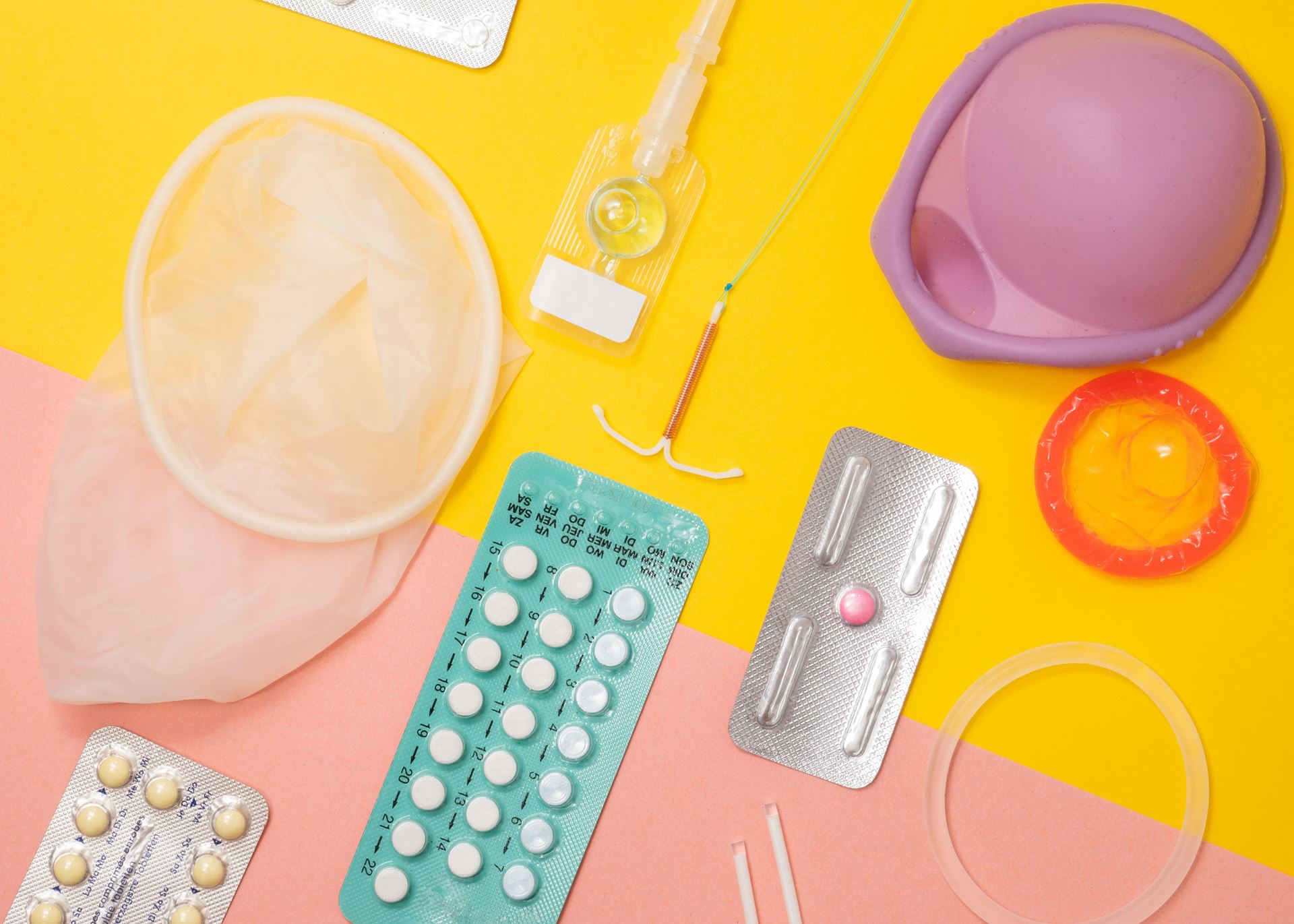
Contraception, also known as birth control, refers to methods used to prevent pregnancy. There are many different types of contraception available, allowing individuals and couples to choose the option that best suits their lifestyle, health needs, and future family plans.
Contraception can be temporary or long-lasting and includes methods such as:
Some methods, such as condoms, also help protect against sexually transmitted infections (STIs). No single method is right for everyone, and the most suitable choice will depend on your personal circumstances, preferences, and medical history.
Please see below for more information, including where to get an emergency contraception
Did you know that many pharmacies can now provide contraception without the need to see a GP first? Trained pharmacists can offer advice, carry out a quick health check if needed, and provide suitable contraception in a private and confidential setting.
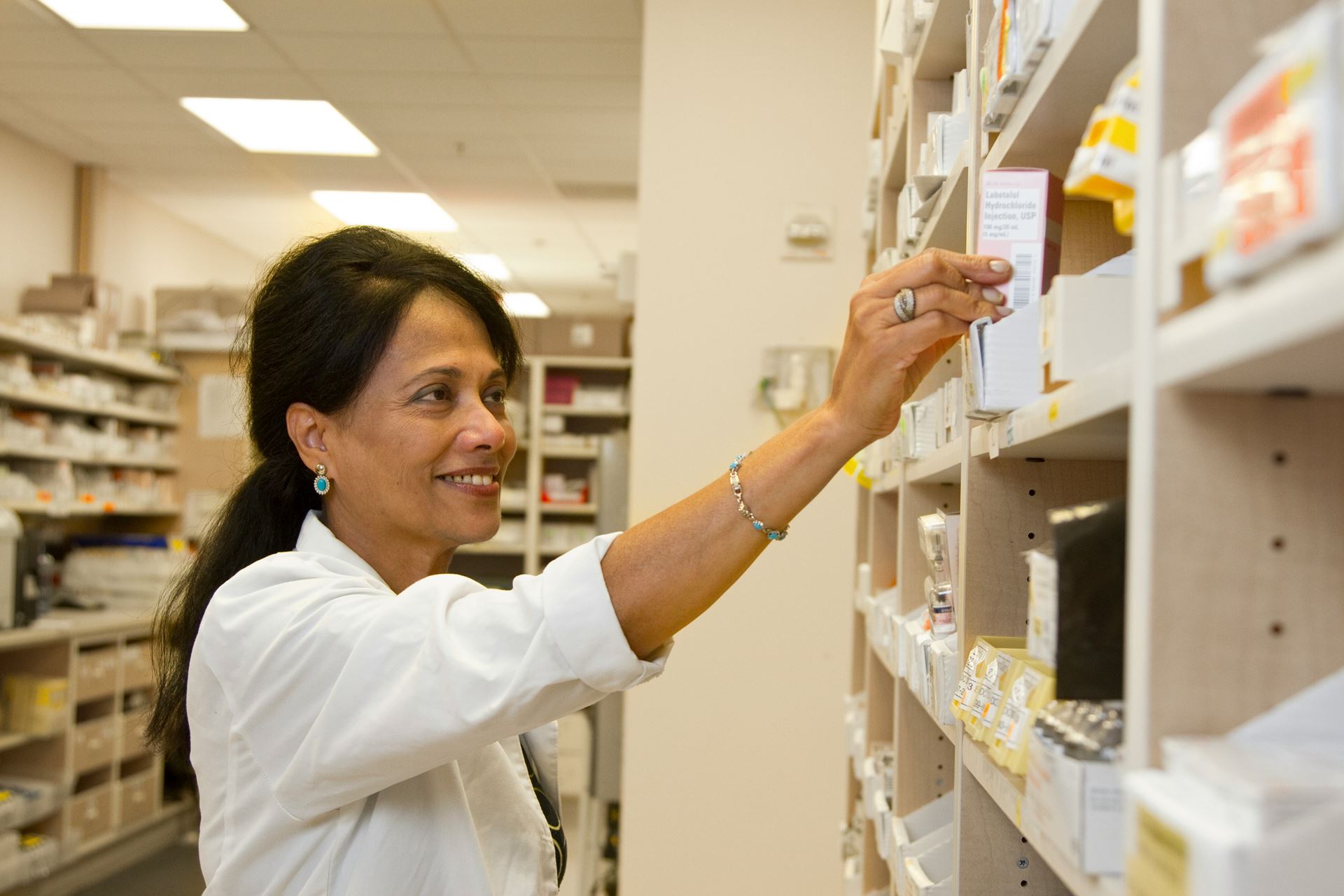
Thinking about using the pill for the first time, or returning to it after a break? A pharmacist can talk through your options and, if appropriate, provide the most suitable pill for you.
If you're already taking the pill, your local pharmacy may be able to provide your next supply. They can carry out routine checks, such as blood pressure and weight measurements, to make sure your contraception remains right for you.
If you've had unprotected sex or your usual contraception has failed, you may be able to get emergency contraception quickly and confidentially from a pharmacy, often free of charge.
Your appointment will usually take place in a private consultation room. The pharmacist may:
Most community pharmacies now offer contraception services.
It's always a good idea to check ahead that the pharmacy provides contraception services before visiting.
Please get in touch with us if: